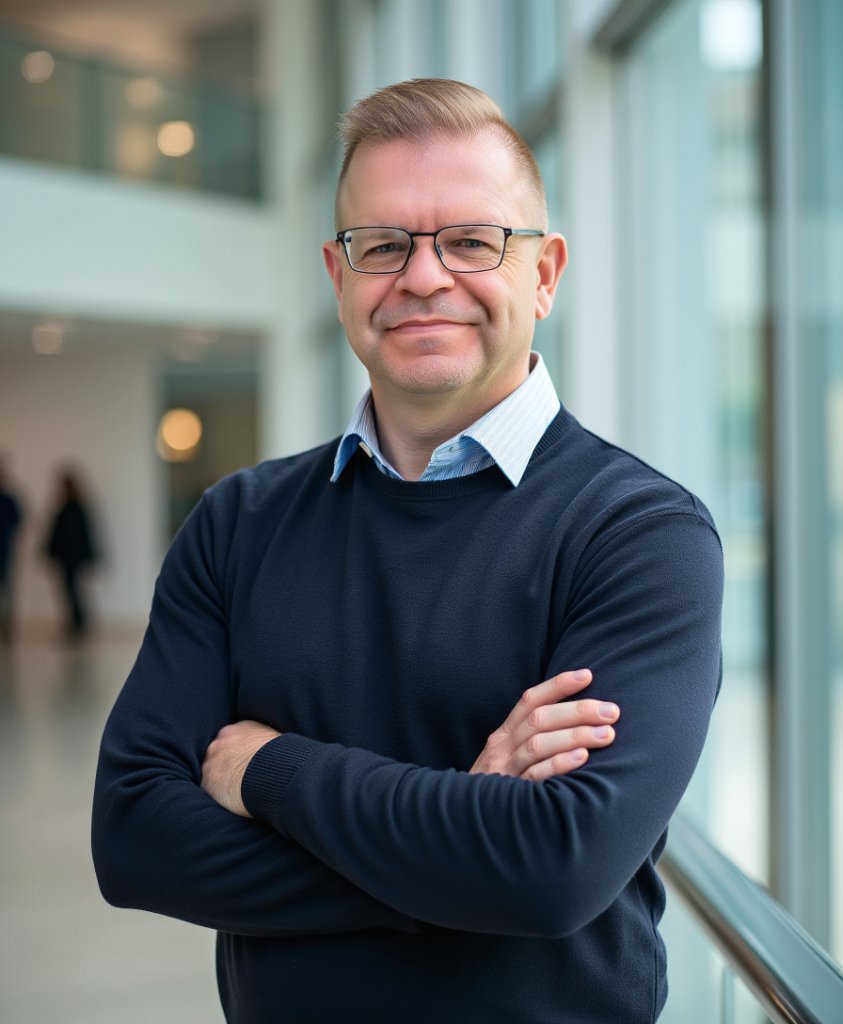
People are not the problem.
How you lead them very often is.
I help organizations develop leaders who understand the human side of performance, and know what to do about it.
Thirty-five years working inside organizations, and alongside them, has taught me something most leadership frameworks skip. The gap between what organizations need from their leaders and what their leaders actually know how to do is almost always a human gap. Not a strategy gap. Not a process gap. A people gap.
That gap is closeable. And closing it changes everything.
7,000+ leaders and learners. Four continents. Fifteen years.
TD Waterhouse · BMO Financial Group · HomEquity Bank
Accenture · ExperiencePoint · The Refinery Leadership Partners
Microsoft · Walmart · JP Morgan · Ford · Dell · PepsiCo · Eli Lilly · Equifax · Ageas
Programs facilitated at Harvard, Stanford and Duke. Most of this work was delivered through Accenture and ExperiencePoint, in programs built for their clients.
The organizations that get leadership right don't just perform better. They're built to last.
Most organizations invest in leadership development. Few get the return they expected, because the programs teach skills and models rather than what leaders need to understand about their people.
Third quartile to number one. Nobody lost a job.
Head office had looked at the numbers and drawn a reasonable conclusion. The team was underperforming, and the team was the problem.
I spent time with them before I changed anything. Not interviewing. Listening to people describe how they actually spent their days.
The answer was sitting inside those descriptions. The salespeople were doing administrative work. Not because anyone had decided that, but because the work had drifted, one small accommodation at a time, over months and years, until the people paid to be with clients were spending their days on paperwork. Nobody was close enough to notice.
We put the work back where it belonged. Nobody was let go, nobody was restructured. Everyone went back to the job they were best at.
By the sixth month we were the number one performing team in the country. We held it for two years.
Head office were honest about it afterwards. From thirty thousand feet, they said, it was difficult to see what was obvious from the ground.
What I believe.
Learn morePeople are not the problem.
Most performance issues are alignment issues, condition issues, or leadership issues. The leader's first question, when something isn't working, isn't what's wrong with this person. It's what am I missing about the situation.
Leadership isn't direction. It's engagement.
The job is to inspire and collaborate, not command and instruct. The leader's success is measured by what their people become, not by what the leader achieves personally.
Leadership is a practice, not a competency.
Like medicine or law, you're never finished. You're always working to get better.
Wisdom is already in the room.
Experienced leaders don't need to be lectured. They need to be respected, challenged, and given the language and frameworks to use what they already know more deliberately.
That's the work I do.
How I Work: Three Ways
Full overview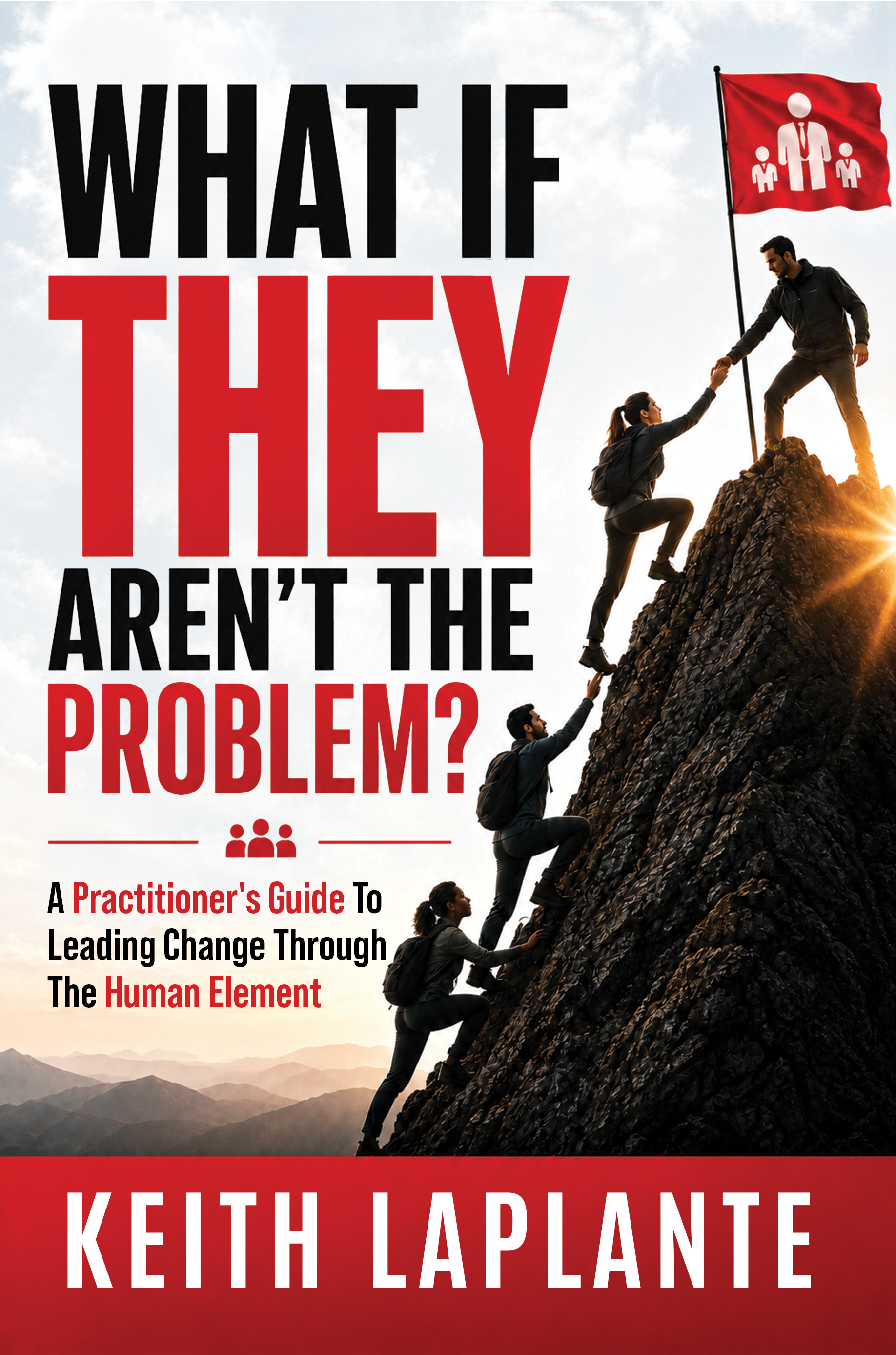
"Your people are not the problem. How you lead them through change very often is."
"Compliance is fragile. It depends on the incentive staying in place, the consequence staying credible, and the manager staying watchful. Commitment is different."
"Change done by us lands differently than change done to us."
Coming Soon
"What If 'They' Aren't the Problem?"
A Practitioner's Guide to Leading Change Through the Human Element
Thirty-five years of leading change, and watching others lead it, distilled into the book I wish I'd had at the start.
Coming soon. Be the first to know.
No spam. Just a note when it's ready.
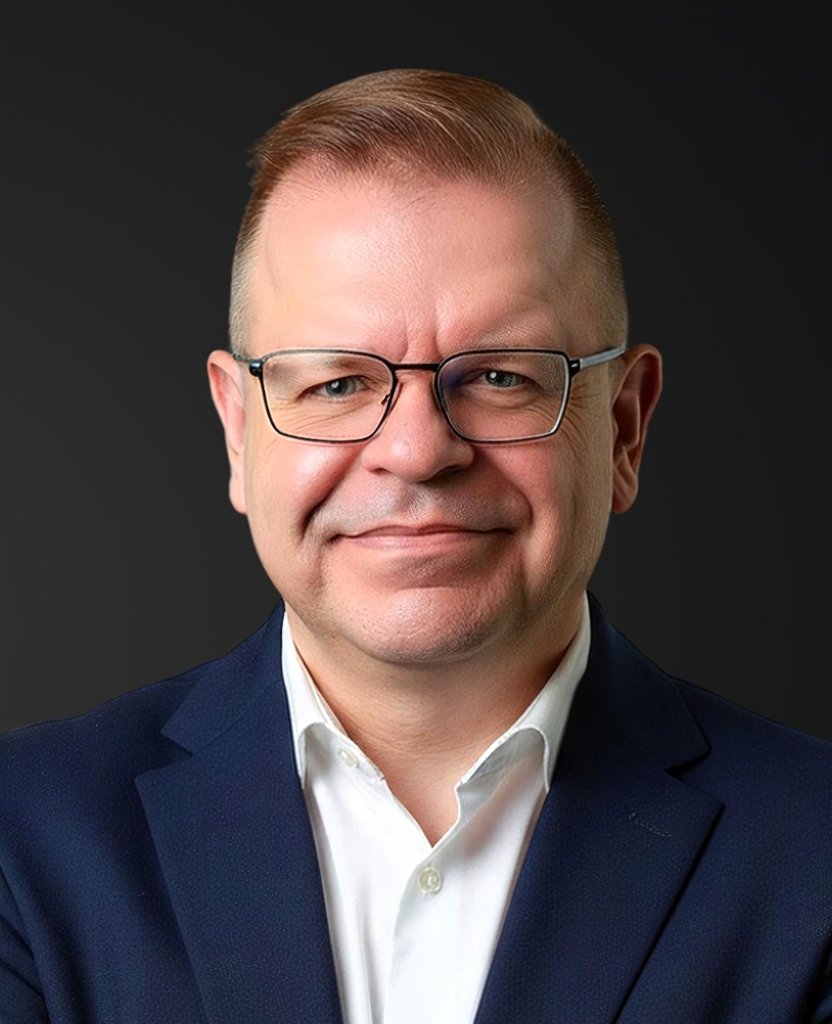
Thirty-five years in the room.
I've led teams through major change as an executive at TD Waterhouse, BMO Financial Group, and HomeEquity Bank. I've worked alongside leaders navigating transformation at Accenture's Canada Innovation Hub and ExperiencePoint. I've designed and facilitated leadership programs delivered at Harvard, Duke, and Stanford, and to frontline leaders who've never been near a business school.
What I've learned is that the theory and the practice of leadership often look very different from each other. I work in the gap between them.
More about KeithWant something useful right now?
If you're leading people in any capacity, there's a short piece I'd like you to have. Five questions I ask every leader before we start working together. It takes about fifteen minutes to read, and longer than that to sit with properly. The leaders who do the work tell me it's worth it.
It's free. And it's yours.